Buoyancy is measured in newtons
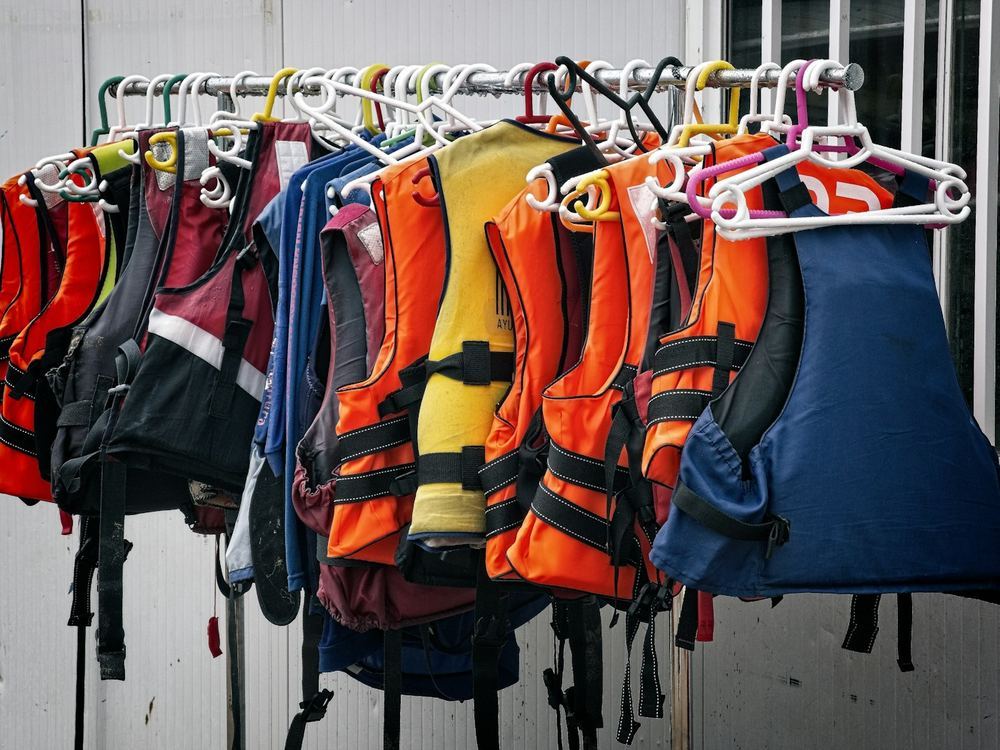
Life jackets sold in Europe and the Gulf are rated under the ISO 12402 standard. The number in newtons (N) tells you how much lift the jacket gives. More lift keeps the head higher out of the water and turns an unconscious wearer face-up more reliably.
50N buoyancy aids
For confident swimmers in sheltered water with help close by, such as kayaking, jet skiing and watersports. A buoyancy aid helps you float; it is not designed to turn you face-up.
100N life jackets
For sheltered and inshore waters where rescue may take a while. Suits calm-day boating close to the coast.
150N life jackets
The general choice for offshore and coastal boating in all conditions. It turns most wearers face-up, including when they are wearing light clothing.
275N life jackets
For offshore and extreme conditions, or when the wearer carries heavy clothing or tools that can trap air.
Foam or inflatable
Foam jackets need no maintenance and are ready instantly; they are bulkier. Inflatable jackets are comfortable to wear all day but need a check of the gas cylinder and inflator before each season. Automatic inflators fire on contact with water.
Fit and sizing
Choose by the wearer's weight and chest size, not age. Children need a jacket in their weight band with a crotch strap so it cannot ride up. Check local maritime rules for the number and type required on your boat.